Sleeping around
The First Night Effect
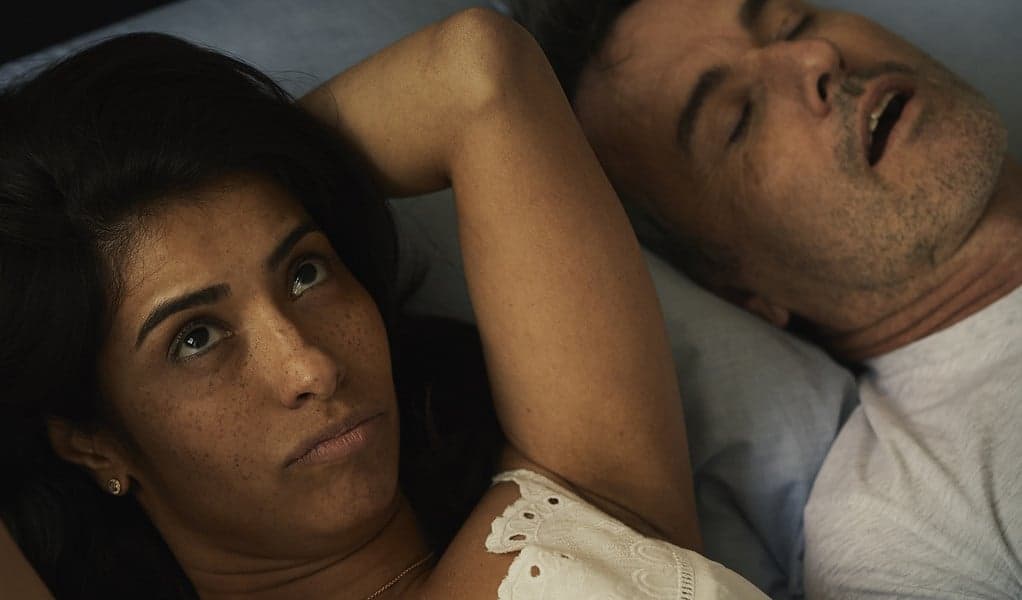
A lot of people will attest to the fact that they often don’t sleep well on their first night in a different bed. Is it that annoying mosquito in your hotel room? Is the bed too hard? The pillow too fluffy? Is your neighbour snoring?
American research from 2016 demonstrates that only half of our brain sleeps in a new place. This is the so-called “First Night Effect”. The assumption is that this is a survival strategy. Since you never know what can happen in a new environment, your brain can respond more quickly to dangerous situations if half of it remains awake. Our body is programmed to do this; isn’t that amazing? Dolphins always do this. They can sleep with just one half of their brains at a time.
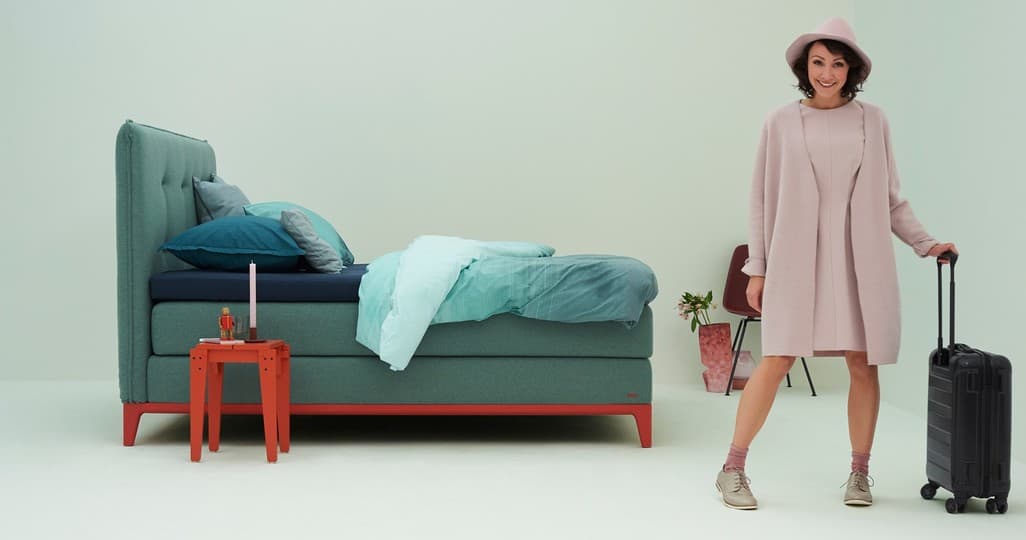
Of course, we all go on holiday to relax. But going on holiday can also be a source of tension and even stress. Extending your passport beforehand, taking your cat to the kennel, arranging for someone to water your house plants, the actual journey, queues on the motorway and the long lines at customs. Stress and sleep just don’t go very well together. Along with irregular sleep, these are some of the most important reasons why we don’t sleep that well when we’re on holiday.
Tips
To ensure you’ll sleep soundly while on holiday, we have a few simple, useful tips:
- Bring your own pillow with you as it feels more familiar. Elite athletes also do this!
- Make sure you take the time to relax; you are on holiday after all.
- Try to restore the balance between your day and night cycles as soon as possible. A morning walk on the beach can work wonders.
Read more stories